An elevator is the primary artery of vertical transit and a vital component of modern architecture, directly impacting passenger safety, building traffic flow, and property value. The process of buying an elevator defines the line between an enduring investment and continuous maintenance expenses. With over 25 years of engineering excellence in design, cabin manufacturing, installation, and technical support across residential, commercial, office, and hospital projects, Atlas Asanbar Arsh makes elevator procurement transparent and dependable. Read more about Atlas Asanbar Arsh.
Elevator System Types and Choosing the Right Technology
Selecting the correct elevator technology tailored to a building's layout is fundamental:
- Gearless Traction Elevators: Premier choice for busy residential complexes and commercial towers due to high speed (1.0 to 2.5 m/s), whisper-quiet operation, and low energy draw.
- Hydraulic Elevators & Home Lifts: Ideal for low-rise buildings, villas, retrofits, and tight shafts without deep pits.
- Machine-Room-Less (MRL) Elevators: Eliminates top machine rooms, giving architects design freedom.
- Freight & Hospital Elevators: Heavy-duty systems built for stretchers and industrial loads.
Explore options on our elevator engineering services page.
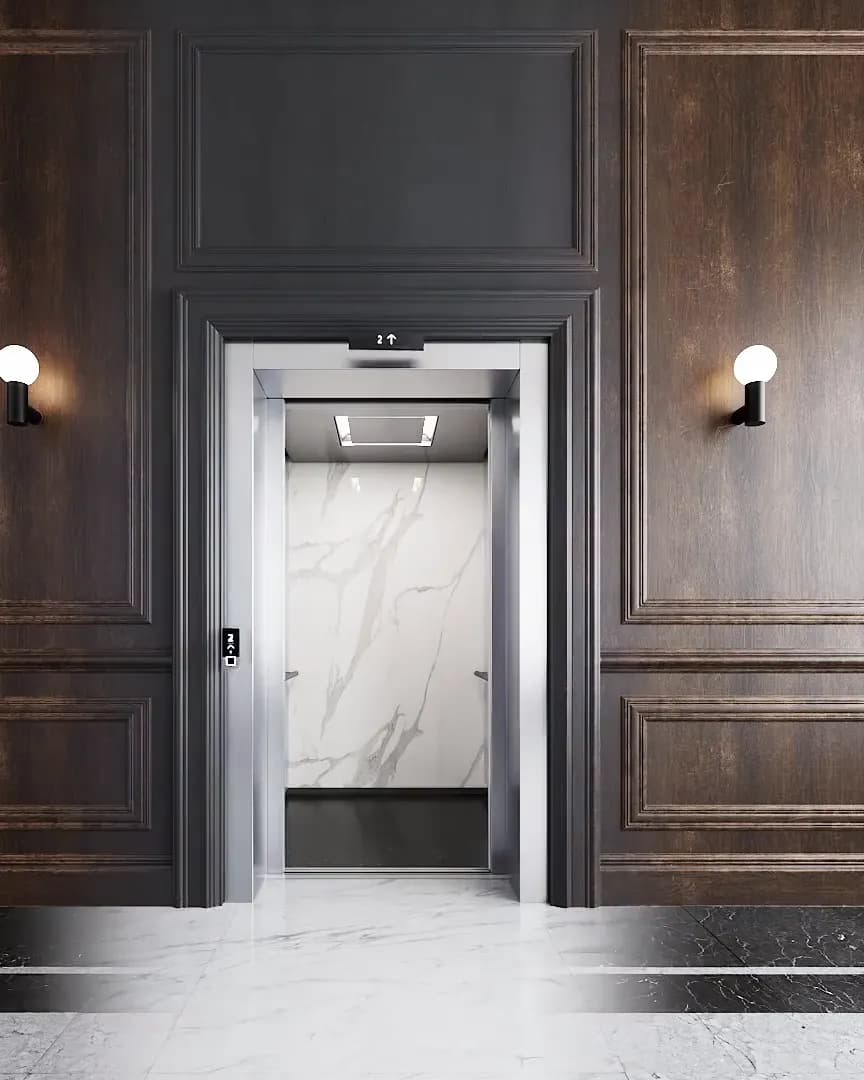
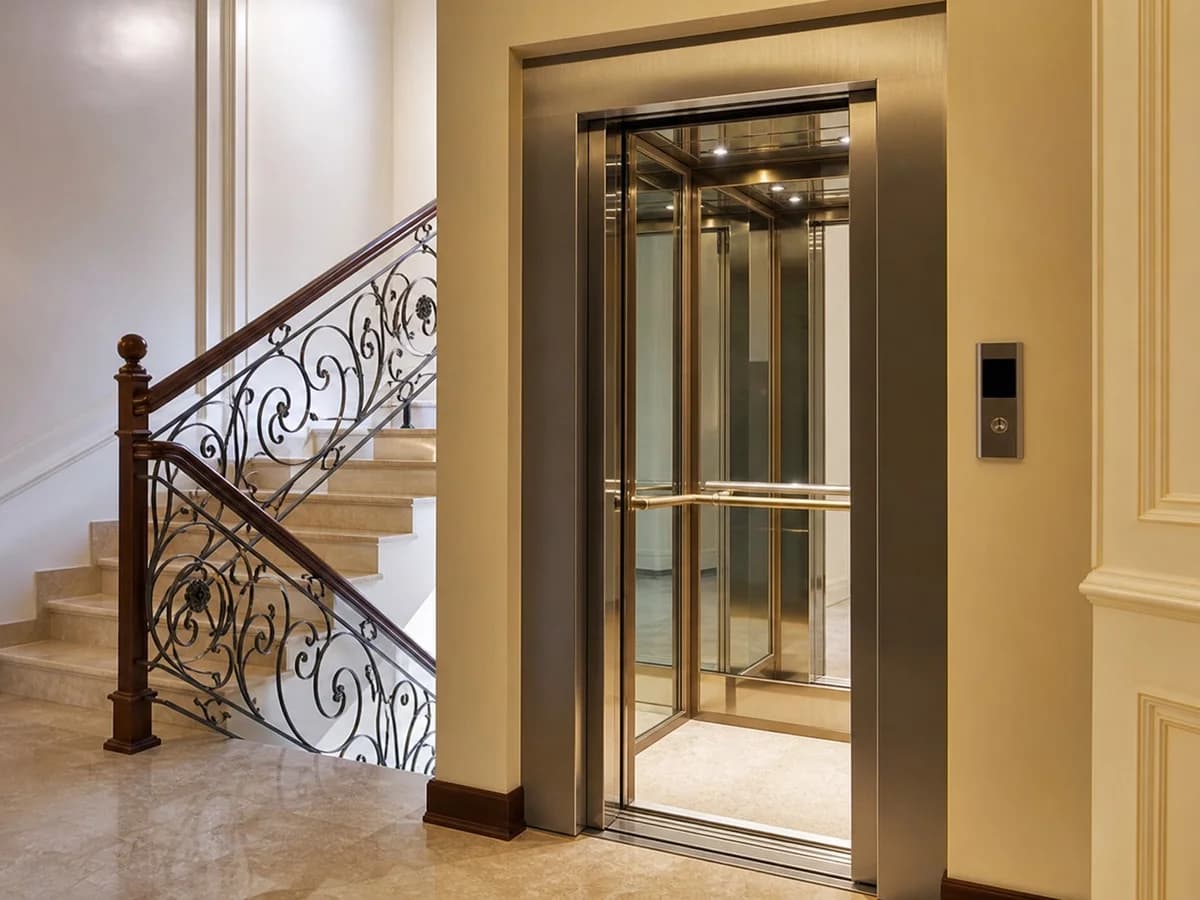
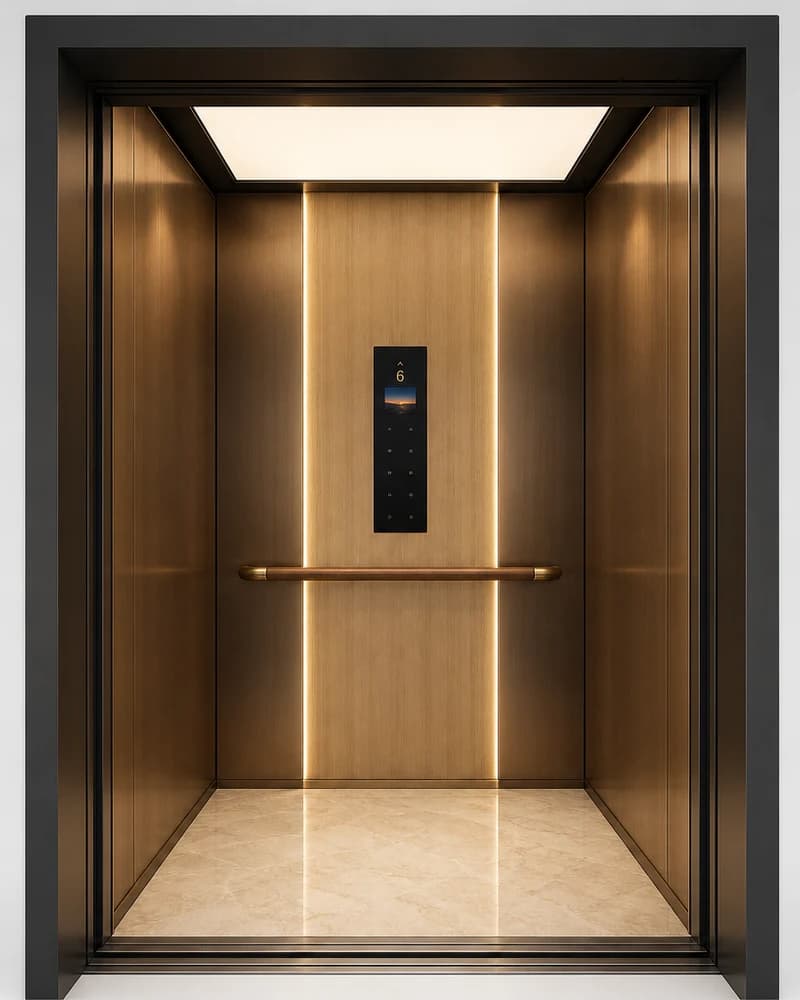
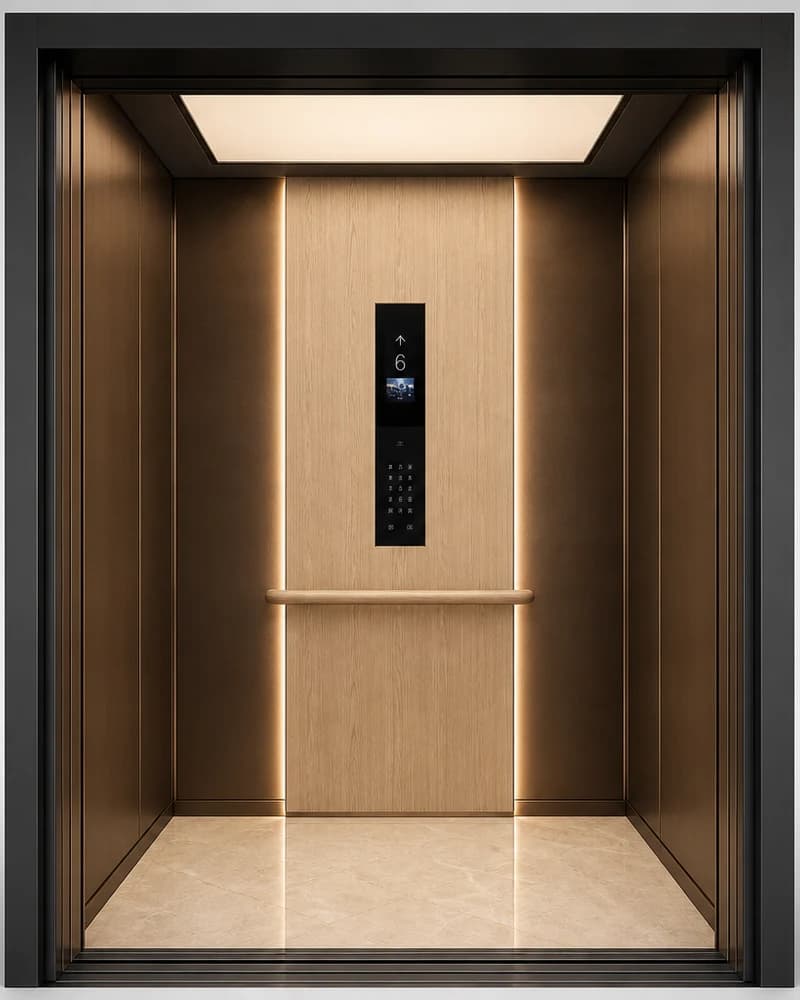
In-House Cabin Manufacturing and Luxury Customization
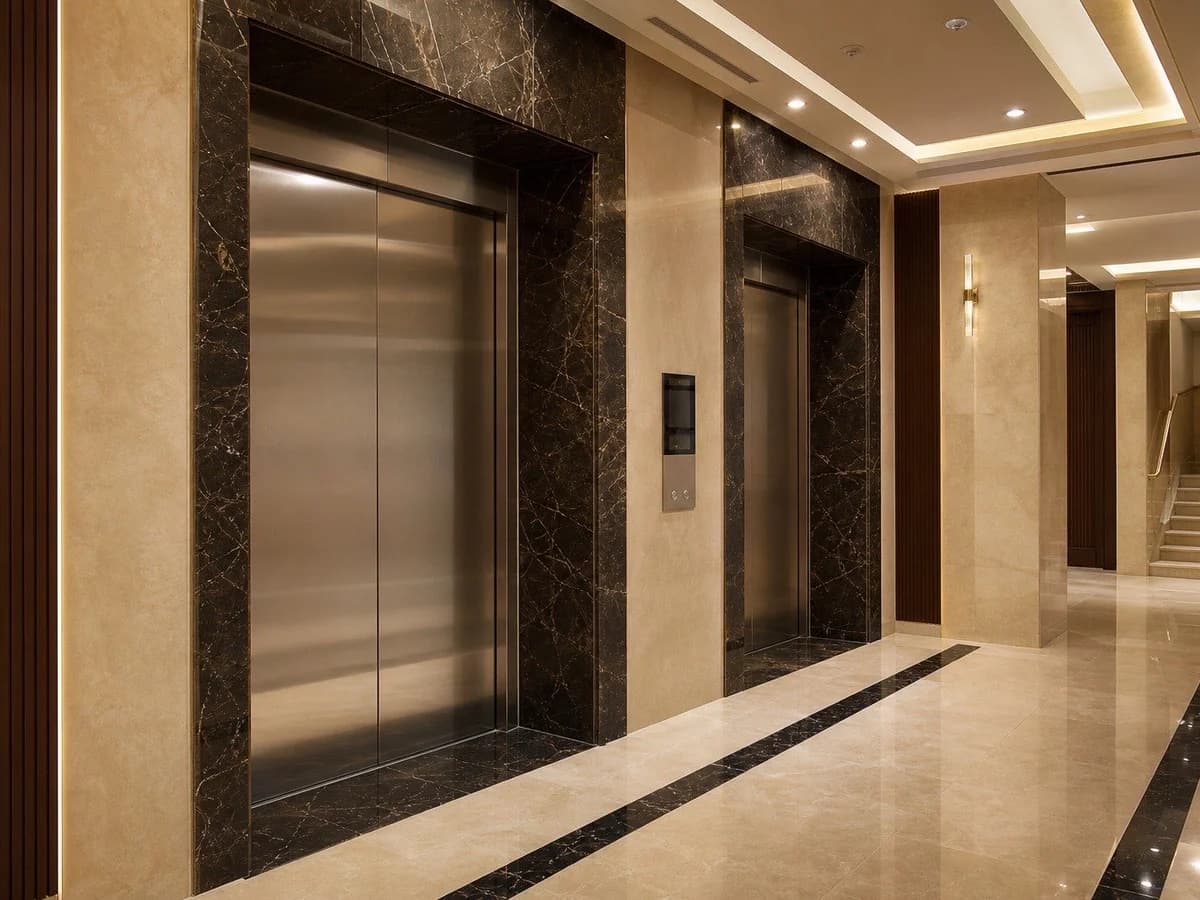
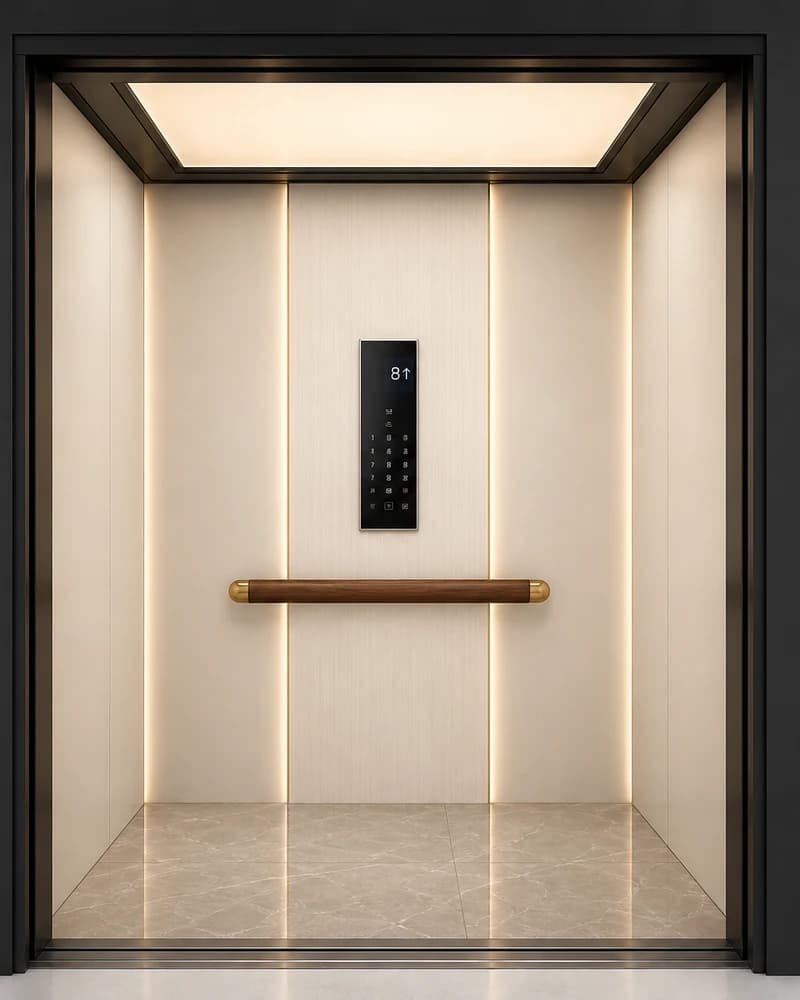
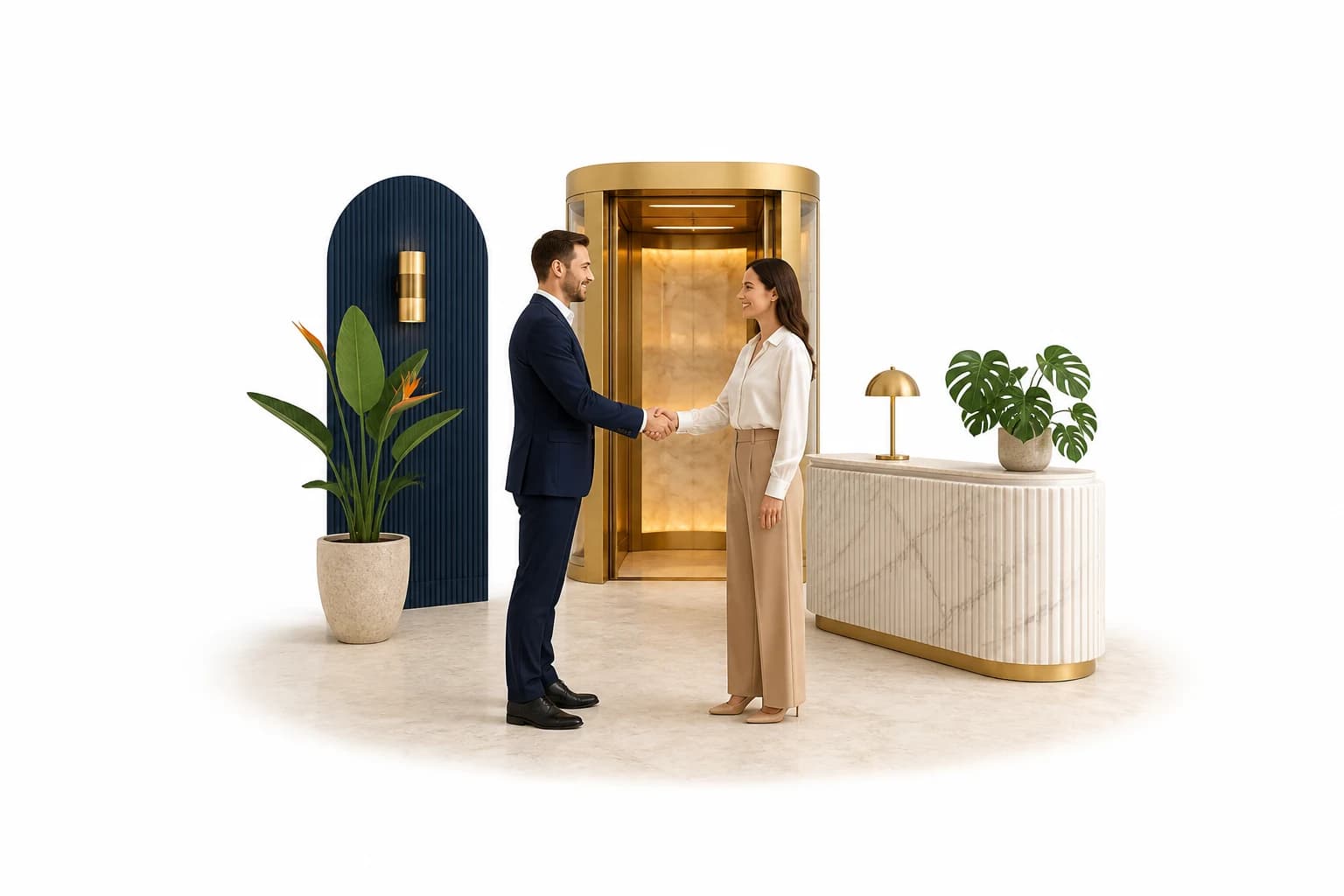
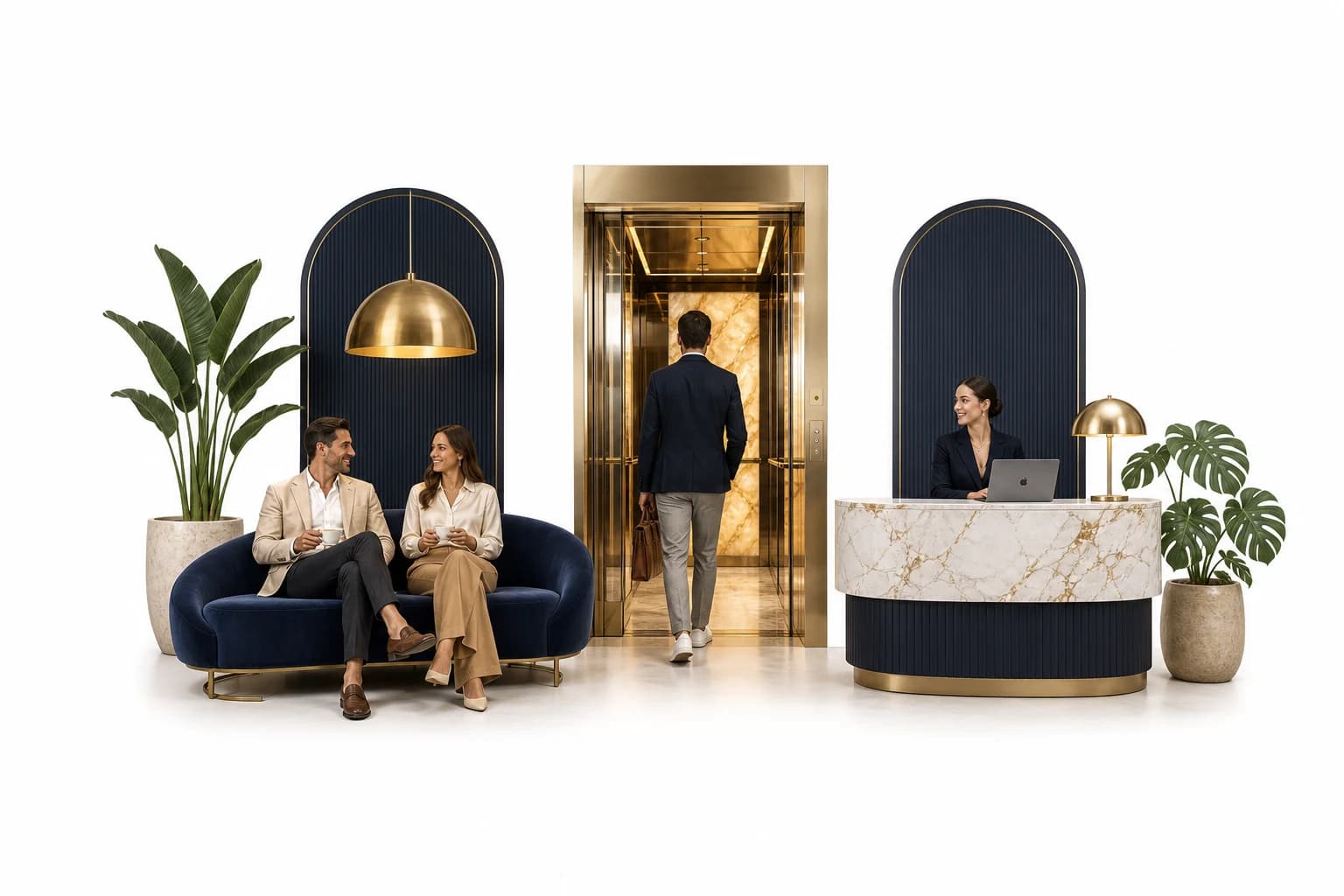
The cabin represents the visual identity of a project in the building lobby. All Atlas Asanbar Arsh cabins are manufactured in our specialized facility:
- Specialized Stainless Steel Walls: Scratch-resistant mirror, gold, bronze, etched patterns, high-gloss, and natural wood combinations.
- Panoramic Glass Cabins: Safety laminated glass walls for commercial towers and villas.
- Flooring & Laser Ceilings: Carved natural marble floors, laser-cut false ceilings, and embedded LED lighting.
Heavy-duty framing minimizes vibration for a smooth ride. View models in our online cabin catalog.
Key Pricing Factors and Itemized Quotations
Accurate pricing requires total transparency in quotations:
- Number of stops and travel height.
- Rated capacity (4, 6, 8, 10 persons or heavy freight).
- Motor type (Italian/European gearless or geared).
- Control panel specs (VVVF frequency inverters for 50% energy savings).
- Door types (automatic telescopic/central or semi-automatic).
- Cabin finishes and certified safety gear.
Contact our pricing and consultation team for an itemized breakdown.
Step-by-Step Installation Process Following National Standards
Elevator installation follows a rigorous multi-step standard process:
- Phase 1: Steelwork, Shaft Prep & Rail Alignment: Precision steel structure, plumbing, and guide rail erection.
- Phase 2: Mechanics, Doors & Motor Placement: Landing doors, motor bed, gearless/geared motor, steel ropes, and cabin chassis assembly.
- Phase 3: Wiring, Control Panel & Commissioning: Control panel wiring, traveling cable, push buttons, safety sensors, and motion testing.
- Phase 4: Inspection & National Standard Certification: Load, balance, and safety gear testing by accredited agencies.
Review project case studies on our projects page.
Periodic Maintenance Services and 24/7 Emergency Support
Handover is not the end. Monthly maintenance, safety checks, and annual certificate renewals preserve equipment lifespan and prevent costly breakdowns. Certified technicians inspect 30+ technical checkpoints monthly and provide official reports. Maintenance subscribers also receive 24/7 rapid emergency support. Request service on our elevator maintenance page or read guides in our insights magazine.