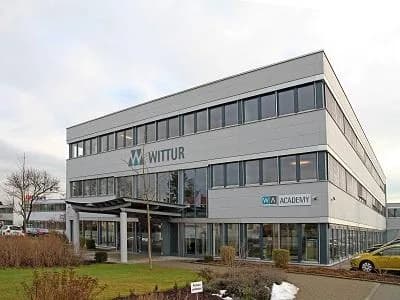
Wittur's story starts in 1968, when 26-year-old Horst Wittur founded 'Wittur Aufzugteile GmbH & Co.' in the village of Wiedenzhausen, Germany, between Munich and Augsburg. What began as a small elevator-parts workshop has grown, over more than five decades, into one of the world's largest elevator components groups, now operating plants and offices in more than fifteen countries — from Germany and Italy to China, India, Turkey, the USA, and Brazil.
Wittur's international expansion began in the 1970s: the Colorno, Italy plant opened in 1977 and the Zaragoza, Spain plant in 1980, laying the groundwork for the company's global manufacturing base. In the following decades, Wittur consolidated its position as one of the world's leading elevator-door suppliers through equity stakes in various companies, trading offices in the Netherlands, France, Australia, and Hong Kong, and the 2000 acquisition of Kone's door components business. The most significant recent milestone came in 2016, when Wittur merged with Italy's Sematic Group, creating a combined group with roughly €750 million in revenue.
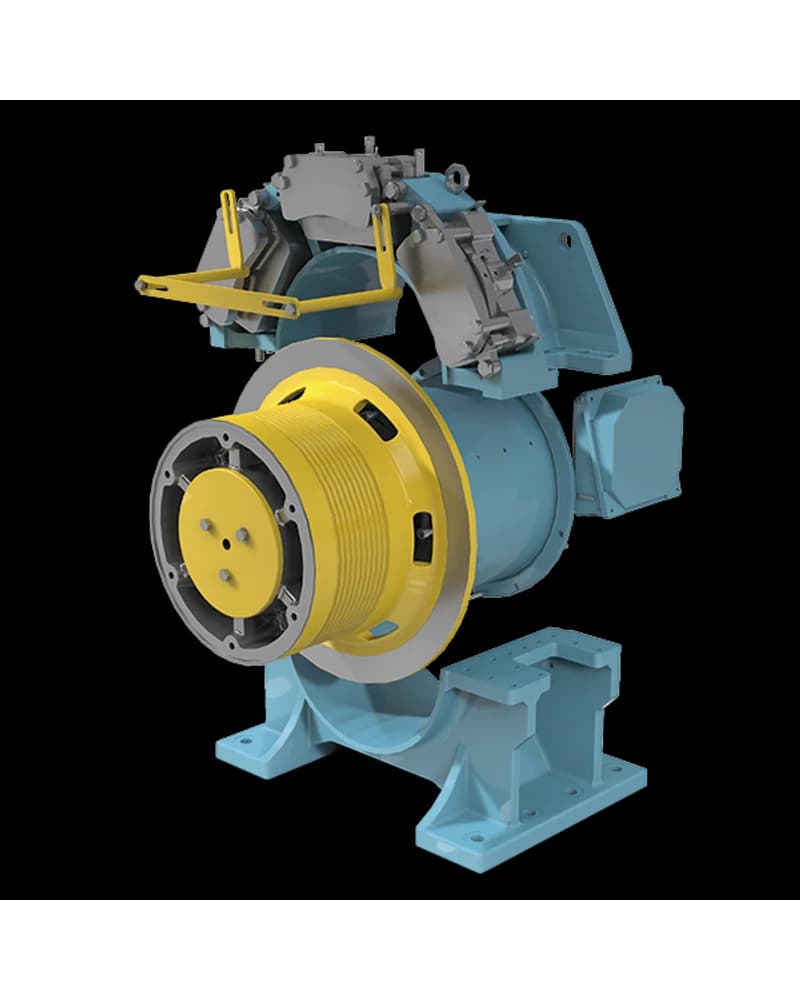
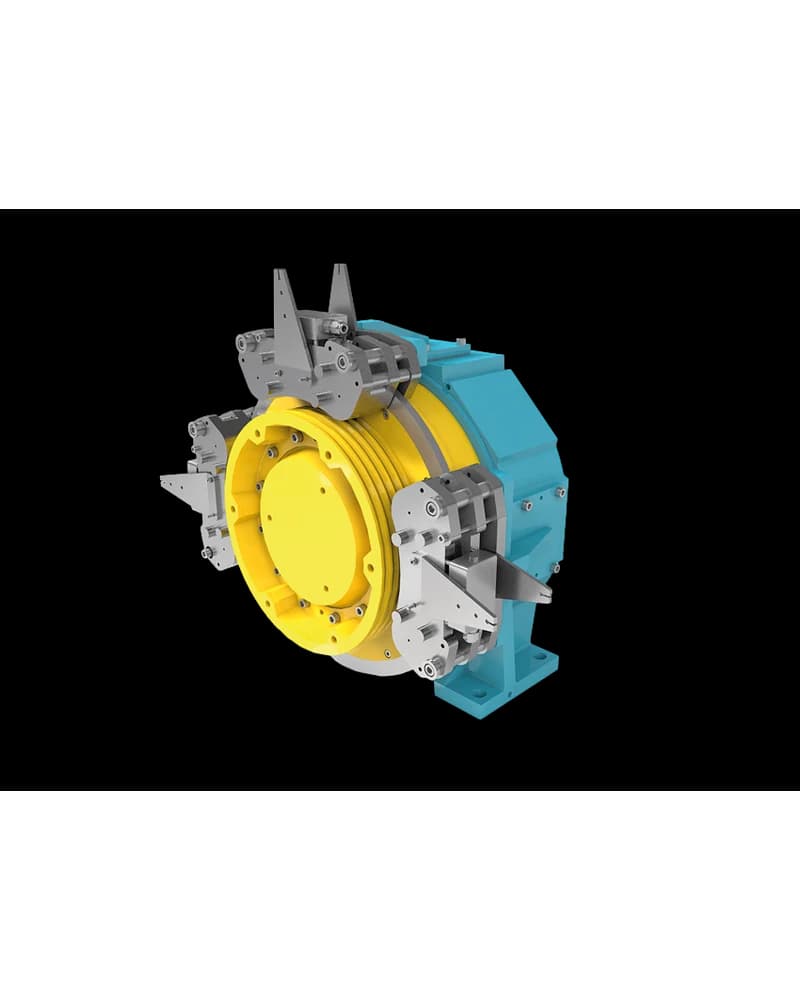
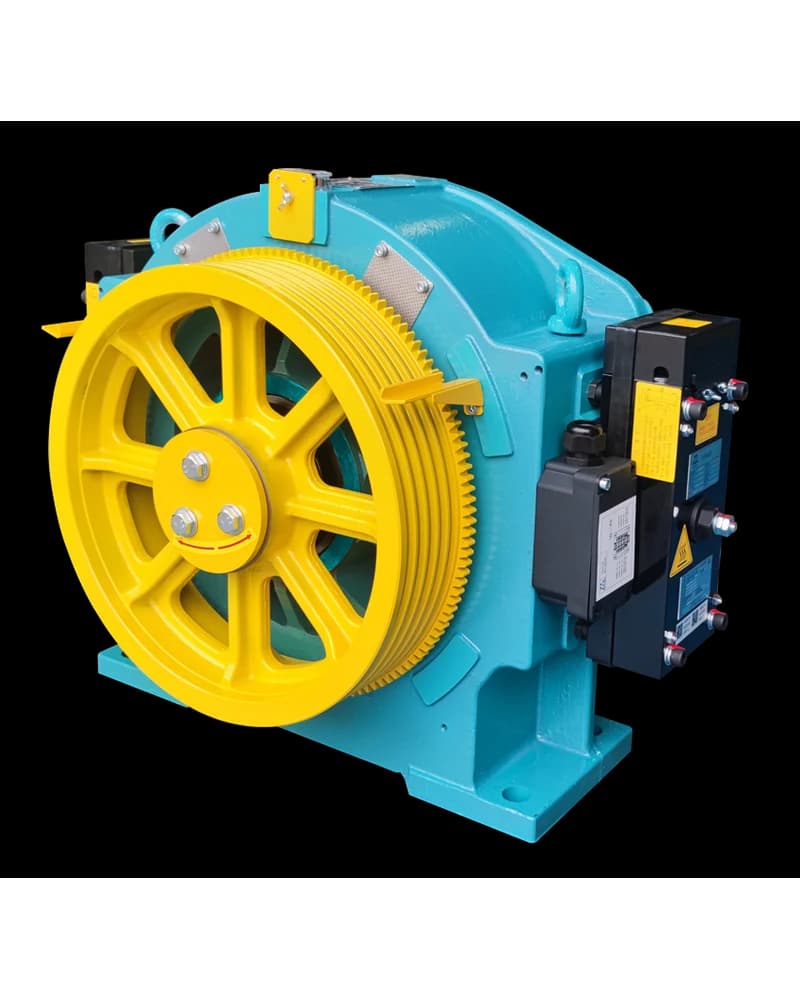
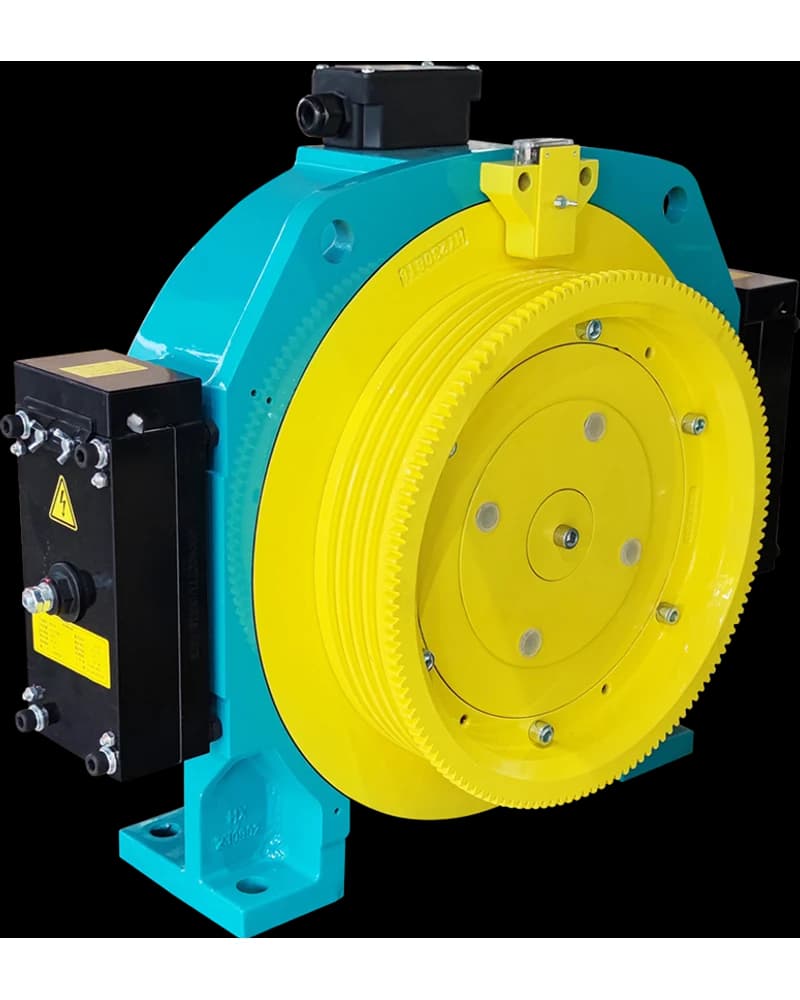
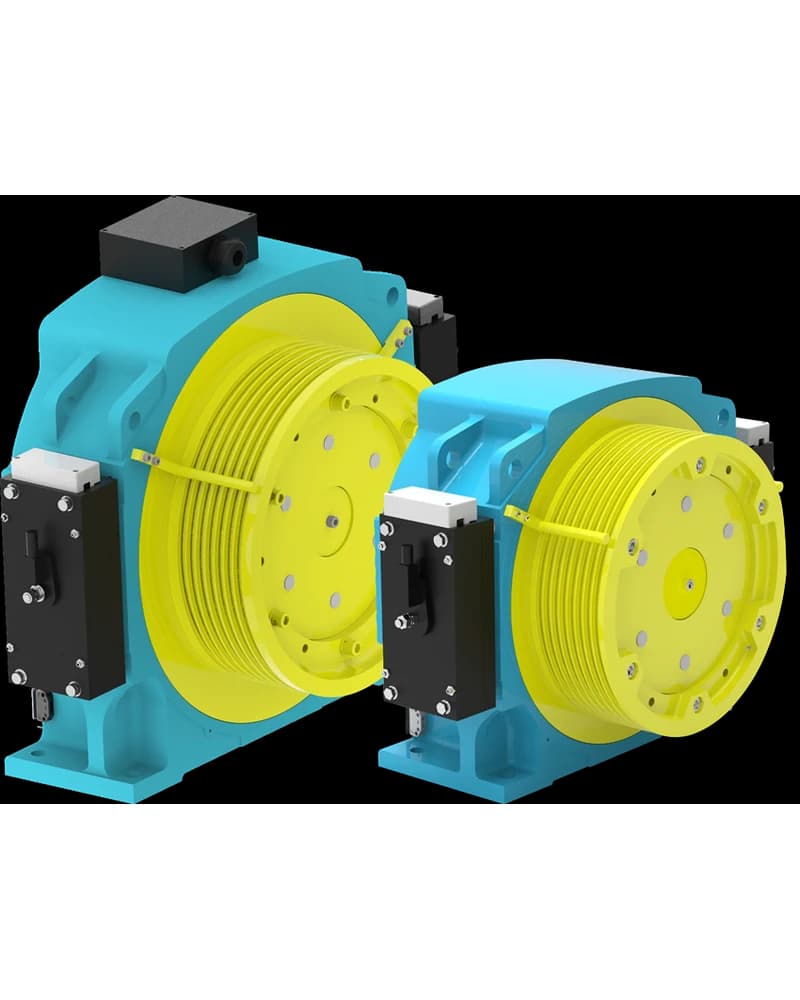
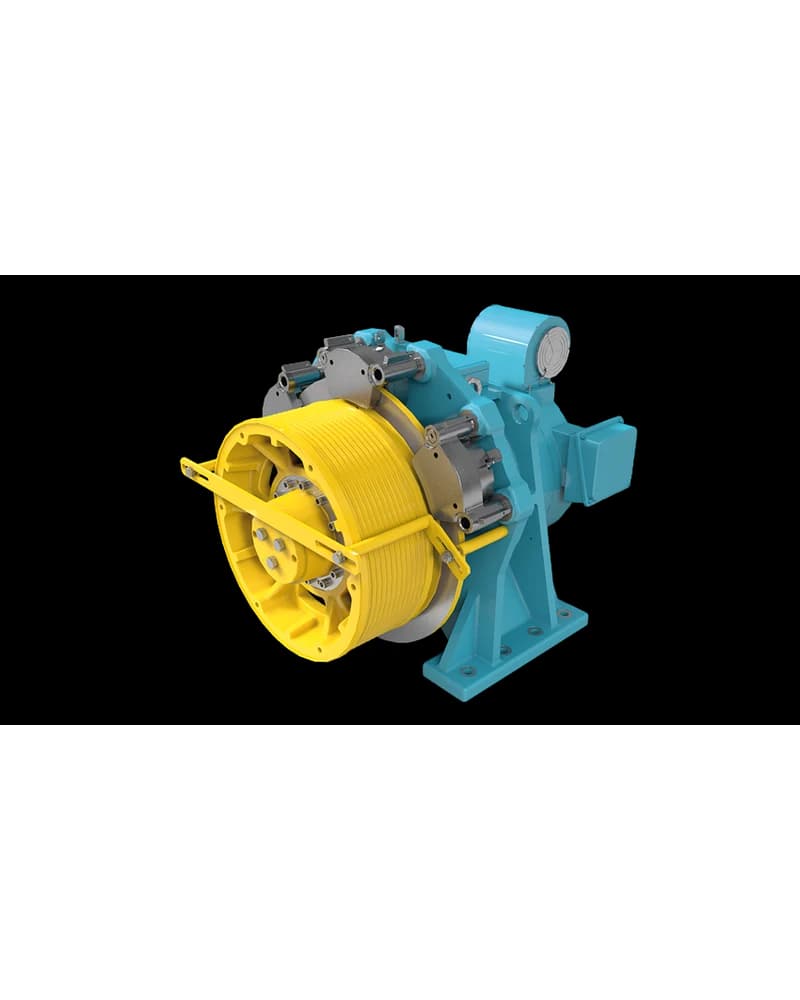
Contrary to a common assumption, Wittur is not solely a motor manufacturer — its product range spans car and landing doors, traction machines, safety devices (overspeed governors and safety gears), car slings and cabins, and shaft equipment. Within that broad range, the WSG and WGG gearless machine families hold a distinct place: seventeen permanent-magnet synchronous (PMSM) models spanning compact, machine-room-less units for residential shafts (like the WSG-RF and WSG-TS) up to heavy-duty machines for high-rise towers rated at up to 9,800 kg and 6 m/s (the WSG-52).
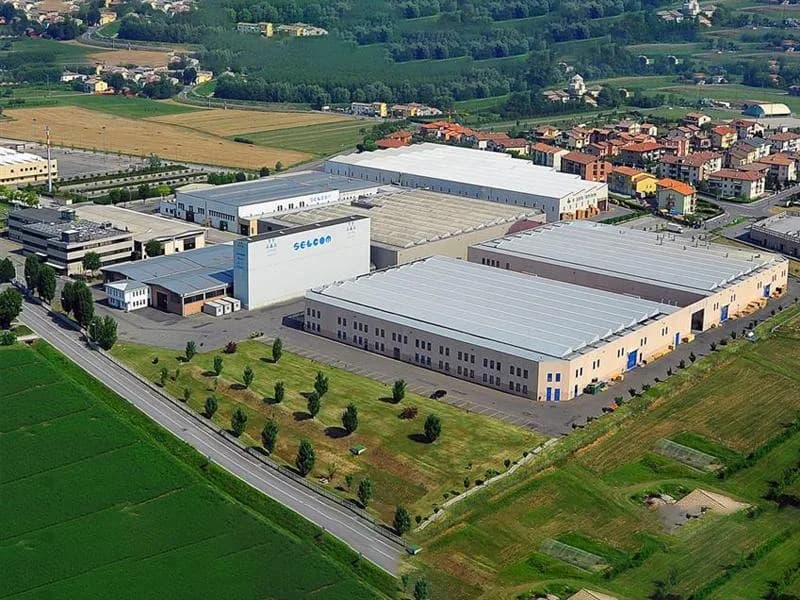
Wittur Germany — company timeline
1968
At age 26, Horst Wittur founded 'Wittur Aufzugteile GmbH & Co.' in Sulzemoos-Wiedenzhausen, Germany, between Munich and Augsburg.
1977
A plant opened in Colorno, Italy (Selcom S.p.A., today Wittur S.p.A.) — Wittur's first major step in international expansion.
1980
Wittur's second European plant opened in Zaragoza, Spain, strengthening the company's elevator-components manufacturing footprint in southern Europe.
دهه ۱۹۹۰
Trading offices opened in the Netherlands, France, Australia, and Hong Kong, and Wittur expanded its global reach through equity stakes in several companies.
2000
Wittur acquired Kone's door components business, a major consolidation of its position as a leading global elevator-door supplier.
2016
The merger with Italy's Sematic Group closed, creating one of the world's largest independent elevator-components manufacturers with combined revenue of roughly €750 million and about 4,500 employees.
امروز
Today Wittur operates plants and offices across Germany, Italy, Spain, Slovakia, Austria, Hungary, China, India, Turkey, the USA, Mexico, Brazil, and Argentina, producing more than 650,000 elevator doors a year from its China plants alone.
Every machine in the range is built with Class F (155°C) insulation and engineered to the EN 81-20 and EN 81-50 European standards; most models carry UL/CSA certification for the North American market, and several newer models — including the WSG-09X and WSG-MFC series — also meet China's GB/T 7588.1&2-2020 and TSG T7007-2022 certification requirements. The multi-pole electromagnetic brake system fitted to most models is compatible with unintended car movement (UCM) protection.
Atlas Asanbar Arsh carries Wittur's gearless machines in its catalog so engineers and contractors can match rated load, speed range, sheave diameter, and machine-room layout to the right German-Italian-made model for their project.
15+ countries with plants or offices